
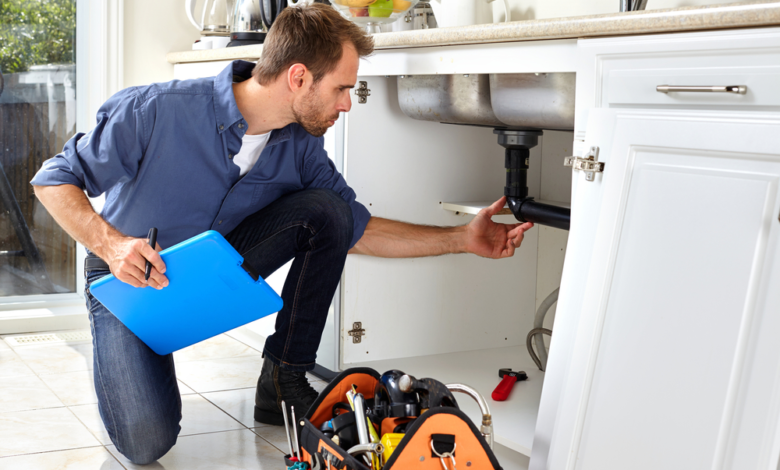
Assessing Main Water Line Capacity and Pressure
The foundation of any high-performance kitchen plumbing system is adequate water volume and pressure. Standard homes typically utilize half-inch copper or PEX supply lines to route water to the kitchen. While this diameter provides sufficient flow for a basic faucet and standard dishwasher, it quickly becomes a bottleneck when feeding multiple high-demand luxury fixtures simultaneously.
If your design includes a multi-basin sink, a pot filler, a dedicated ice machine, and a built-in coffee station, you must evaluate the main supply line. Upgrading the primary kitchen supply branch to a three-quarter-inch line increases the volume of available water significantly. This modification prevents noticeable drops in water pressure when one appliance operates while another fixture is in use.
In addition to volume, water pressure must be carefully managed. Luxury refrigeration units with internal filtration and rapid ice production cycles require consistent pressure to operate their internal valves correctly. Conversely, excessively high pressure can damage the delicate solenoids inside high-end espresso makers or smart dishwashers. Installing a pressure-regulating valve at the main water entry point allows you to maintain an ideal operating environment for these sensitive components.
Specialized Plumbing Requirements for Premium Appliances
Every luxury appliance brings a unique set of mechanical requirements. Understanding these specifications during the rough-in plumbing phase prevents expensive retroactive modifications after the cabinetry and backsplashes are installed.
Built-In Espresso Machines and Coffee Stations
High-end built-in coffee systems eliminate the need to manually refill water reservoirs. To achieve this convenience, these units must be permanently tied into the home cold water supply.
-
Dedicated Shut-Off Valves: Each built-in unit requires an accessible, dedicated quarter-turn ball valve located in an adjacent cabinet rather than directly behind the appliance. This placement ensures you can isolate the unit quickly for filter changes or maintenance without pulling the entire machine from the wall cavity.
-
Filtration Systems: Premium coffee makers are highly susceptible to scale buildup caused by hard water minerals. Integrating an inline reverse osmosis system or a specialized water softener protects the internal heating elements and preserves the flavor profile of the beverage.
-
Drain Lines: Many commercial-grade residential espresso units require a direct drain line to handle drip tray overflow. This requires running a dedicated waste pipe with a proper slope toward the main kitchen drain line.
High-Capacity Ice Makers and Wine Preservation Columns
Luxury kitchens frequently feature under-counter clear ice machines and specialized wine storage units that manage humidity. Clear ice makers operate by continuously cascading water over a freezing plate, which requires a constant supply of chilled water and generates a continuous stream of wastewater.
-
Gravity Drains versus Condensate Pumps: Because ice melts continuously inside storage bins, these appliances require a reliable drainage method. If the ice maker sits near an existing waste line, a gravity drain is the preferred, quietest option. If the unit is located across an island or far from a main stack, you must install a dedicated condensate pump to push the wastewater vertically or horizontally through the ceiling or floor joists.
-
Dedicated Line Routing: Run a dedicated flexible copper or durable PEX line directly to the ice maker. Avoid tapping into the same line supplying a nearby sink faucet to eliminate the risk of automated ice cycles robbing pressure from the user at the sink.
Professional-Grade Ranges and Steam Ovens
Modern gourmet cooking often relies on dual-fuel ranges or wall-mounted convection steam ovens. These appliances combine intense heat with moisture injection to replicate commercial baking environments.
-
Steam Oven Supply: Similar to coffee stations, steam ovens require a cold water feed. Because these ovens flash water into steam instantly, the water must be pristine. Hard water scale can clog the microscopic injection nozzles, leading to uneven cooking or system failure.
-
Drainage and Depressurization: Some advanced steam ovens feature a drainage cycle that empties the internal boiler after use. This water is often near-boiling, meaning the receiving drain line must be rated for high temperatures, or the unit must feature an integrated cooling mechanism before discharging into the household waste system.
Advanced Dishwasher Drainage and Backflow Prevention
Luxury dishwashers offer whisper-quiet operation and specialized zones for fine crystal and heavy cookware. To achieve their superior cleaning results, they utilize high-efficiency pumps that discharge wastewater rapidly.
Standard plumbing code requires a high-loop configuration under the sink to prevent dirty sink water from siphoning back into the dishwasher. However, for premium installations, installing a deck-mounted air gap is often the safest and most reliable method to guarantee absolute separation of fresh and grey water.
Furthermore, if your kitchen layout utilizes dual dishwashers, each unit must possess its own dedicated trap or discharge port. Tying two high-powered appliance drain hoses into a single standard sink tailpiece can cause backflow issues, where one machine forces its dirty effluent into the basin of the adjacent unit during simultaneous drain cycles.
Upgrading Sub-Floor Drainage Infrastructure
The waste management side of kitchen plumbing is just as critical as the supply side. Upgrading to high-capacity garbage disposers and deep, multi-basin workstation sinks alters the volume of solid waste and water moving through your drain pipes.
Standard kitchen drains use a two-inch pipe inside the wall, which connects to a two-inch trap under the sink. When installing commercial-grade garbage disposers with high-horsepower motors, the volume of pulverized food waste increases. Ensure that the horizontal drain lines hidden beneath the floor maintain a consistent slope of one-quarter inch per foot toward the main sewer stack. Any sagging or improper pitch in these lines will result in chronic clogs when subjected to the heavy waste output of a luxury kitchen.
If your kitchen design incorporates an island sink or an island cooktop with a downdraft vent that requires specialized routing, standard vertical venting may be impossible. In these scenarios, plumbers must utilize a loop vent configuration or an approved air admittance valve hidden within the island cabinetry. This ensures the drainage system maintains proper atmospheric pressure, preventing slow drains and gurgling noises that disrupt the peaceful ambiance of a high-end home.
Implementing Water Damage Mitigation Systems
The financial investment in a luxury kitchen is substantial, making water damage protection an absolute necessity. With an increased number of water connections powering refrigerators, ice makers, coffee systems, and specialized ovens, the statistical risk of a minor leak developing increases.
Integrating an automated main shut-off valve into your plumbing upgrade provides comprehensive protection. These smart systems monitor water flow, pressure, and temperature at the main entry point of the home. By utilizing machine learning, the system recognizes the normal water usage signatures of your appliances. If an ice maker supply line cracks or a steam oven valve fails, the system detects the continuous, anomalous flow and automatically closes the main water valve within seconds.
Additionally, placing localized wireless leak detection sensors beneath every water-consuming appliance provides immediate alerts to your smartphone. Catching a slow drip behind an expensive integrated cabinetry panel before it warps the wood or ruins the flooring preserves both the structural integrity and the aesthetic value of your custom kitchen.
Frequently Asked Questions
Do luxury appliances always require copper piping or can PEX be used instead?
Modern cross-linked polyethylene, commonly known as PEX, is entirely acceptable and often preferred for luxury appliance installations. PEX is highly flexible, reducing the need for directional elbow fittings behind tight cabinetry spaces, which minimizes potential leak points. However, the final connection directly to appliances like steam ovens or built-in espresso machines should often utilize braided stainless steel or flexible copper risers as specified by the manufacturer.
Can I run a built-in espresso machine and a refrigerator off the same water line?
It is not recommended to share a single supply line between two high-demand appliances. If the refrigerator fills its internal water pitcher or runs an ice-making cycle while the espresso machine is pulling a shot, the drop in local water pressure can affect the extraction quality or trigger an error code on the coffee system. Each unit should have an independent line branching off a larger primary supply pipe.
What is a condensate pump and why would my under-counter ice machine need one?
An under-counter clear ice machine creates ice by constantly running water over a cold plate, which means the ice bin cannot be insulated like a standard freezer. The ice continuously melts to ensure fresh, clear cubes are always available. This constant melting creates a continuous stream of water. If there is no gravity drain line available in the floor directly beneath the unit, a condensate pump must be installed to actively pump this water out to a nearby drain stack.
How does hard water impact high-end kitchen appliances differently than standard ones?
Luxury appliances rely on precise internal sensors, delicate solenoid valves, and intricate heating elements to perform specialized tasks like steam baking or espresso extraction. Hard water minerals create scale buildup very quickly inside these small components. While a standard appliance might simply run less efficiently, scale buildup in a luxury appliance can completely clog steam nozzles or cause internal temperature sensors to misread data, leading to system shutdowns.
Is it necessary to install a dedicated hot water dispenser if my faucet has a high flow rate?
Yes, because a dedicated instant hot water dispenser operates via a small under-sink heating tank that maintains water at near-boiling temperatures, usually around two hundred degrees Fahrenheit. A standard kitchen faucet drawing from a home water heater can only deliver water at typical domestic temperatures, maxing out around one hundred and twenty degrees Fahrenheit. The instant hot system requires its own dedicated plumbing feed and tank installation.
Why do some luxury steam ovens require both a water supply and a dedicated drain?
Advanced steam ovens do not just use water to create moisture; they also feature automated cleaning cycles and system flushes that empty the internal boiler after cooking is complete. This process prevents stagnant water from sitting inside the appliance. The dedicated drain line safely carries away this leftover, hot water without requiring the homeowner to manually sponge out the bottom of the oven cavity after every use.


