A well-maintained roof is a fundamental asset for any commercial building in Western Australia. The unique climate, from intense sun and heat to sudden downpours, places considerable stress on roofing materials. Proactive maintenance protects your building, its contents, and the people inside, helping to prevent costly repairs and operational disruptions down the line.
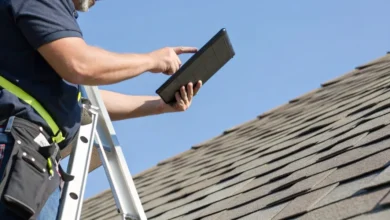
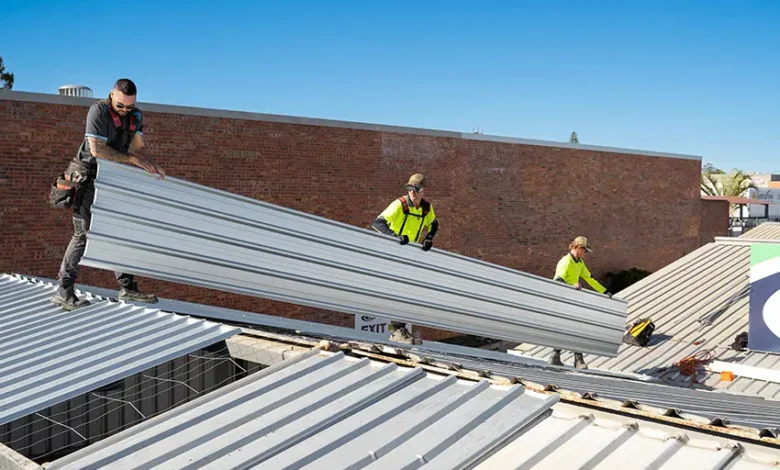
Developing a consistent maintenance schedule is the first step towards extending the life of your commercial roof. Many building owners find it beneficial to engage professional roofing services Perth to establish a routine inspection plan. This ensures that potential issues are identified early before they escalate into major problems. Regular checks help manage the effects of weather exposure and the natural ageing of roofing materials.
A structured approach to roof care can save a significant amount of money over the building’s lifespan. By addressing small defects like minor leaks, loose sheeting, or clogged drainage systems promptly, you avoid the extensive damage that neglect can cause. This preventative strategy is far more cost-effective than dealing with large-scale water damage or structural failure.
Key Maintenance Areas for Your Commercial Roof
Regular Inspections and Cleaning
Inspections should be conducted at least twice a year, ideally after the autumn and spring seasons, to prepare for and recover from the harshest weather. During these checks, look for debris like leaves, branches, and rubbish that can accumulate and block gutters and downpipes. Blocked drainage is a common cause of water pooling, which can lead to leaks and add unnecessary weight to the roof structure. Keeping the roof surface clean prevents the growth of moss and algae, which can degrade materials over time.
Gutter and Downpipe Maintenance
In Western Australia, gutters and downpipes work hard to manage rainfall. Ensure they are clear of all obstructions to allow water to flow away from the building efficiently. Check for any signs of corrosion, loose fittings, or damage. Properly functioning drainage systems are vital for preventing water from backing up and seeping under the roof sheeting, which can cause serious damage to the building’s interior and foundations.
Check for Damage and Wear
During your inspections, pay close attention to the condition of the roofing material itself. Look for any signs of deterioration, such as cracks, blisters, or rust on metal roofs. Fasteners and seals around vents, skylights, and other roof penetrations are common failure points. Ensure all seals are intact and that there are no loose screws or panels that could be lifted by strong winds. Addressing these minor issues as they appear is a simple way to maintain the roof’s integrity.