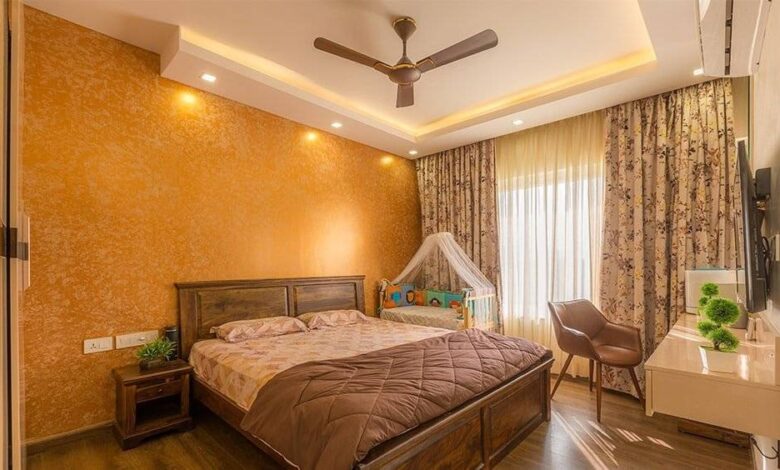
The modern bedroom often serves multiple conflicting purposes, acting as a home office, an entertainment hub, and a storage zone. This consolidation of daily activities can disrupt the primary psychological function of the room: serving as a sanctuary for restorative rest. Quality sleep is a cornerstone of overall biological health, directly influencing cognitive function, immune resilience, and emotional balance.
Transforming a chaotic bedroom into a sleep-friendly oasis requires moving beyond basic decoration to embrace environmental optimization. By carefully modifying lighting, acoustic profiles, color psychology, and textile selections, you can create a space that signals the brain to downregulate and prepare for deep sleep. Implementing these deliberate interior upgrades helps establish a reliable sleep sanctuary, improving the duration and efficiency of your nightly rest.
The Science of Darkness: Advanced Window Treatments and Light Control
The human circadian rhythm is regulated primarily by environmental light exposure. When light strikes the retina, it suppresses the secretion of melatonin, the hormone responsible for initiating sleep. Even minimal light pollution from streetlamps or passing vehicles can disrupt sleep cycles.
To establish absolute darkness, traditional blinds or sheer curtains are rarely sufficient. Upgrading to custom-fitted blackout roller shades or heavy drapery panels lined with specialized blackout fabric blocks external light effectively. For the best results, install drapery tracks that extend at least six inches beyond the window frame on all sides. This design eliminates the light halos that commonly leak around the edges of standard window coverings.
Beyond window treatments, interior light sources require careful management. Replace standard white or blue-spectrum lightbulbs in nightstands with warm, amber-toned LED bulbs that mimic the sunset. Blue light emissions from smartphones, televisions, and digital alarm clocks interfere with melatonin synthesis. Incorporating dimmable ambient lighting allows you to gradually lower the room illumination as bedtime approaches, easing the transition into sleep.
Acoustic Optimization: Minimizing Disruptive Noise Pollution
Sudden, erratic sounds during the night can startle the nervous system, waking you up or pulling you out of deep, restorative sleep stages. While complete structural soundproofing is difficult to achieve without major construction, targeted interior design modifications can dampen sound transmission significantly.
-
Layered Floor Textiles: Hardwood and laminate flooring look sleek, but they bounce sound waves around the room, magnifying echoes. Laying a thick, high-pile wool area rug with a dense felt underlayment absorbs ambient noise and dampens the sound of footsteps.
-
Heavy Fabric Wall Coverings: Empty walls reflect sound. Hanging floor-to-ceiling drapery or mounting upholstered fabric headboards against shared walls provides an acoustic buffer that absorbs sound waves before they vibrate through the room.
-
Mechanical Sound Masking: Incorporating a dedicated white noise machine or a high-quality air purifier creates a consistent, soothing background frequency. This auditory shield effectively masks unpredictable exterior noises, such as traffic or barking dogs.
Color Psychology: Selecting a Calming Palette
The visual landscape of your bedroom sets an immediate emotional tone when you enter the space. Bright, highly saturated colors like vibrant reds, energetic yellows, and deep oranges stimulate the nervous system and increase alertness, making them counterproductive for a sleep environment.
Instead, prioritize muted, low-saturation tones derived from nature. Soft blues, gentle sages, warm taupes, and sophisticated slate greys are highly effective choices. These colors possess shorter visual wavelengths, which lower heart rates and foster a sense of psychological tranquility.
When applying these colors, paint the entire room, including the ceiling, in a matte or flat finish. High-gloss finishes reflect light and create glare, whereas a matte surface diffuses light evenly, softening the visual texture of the room and easing eye strain in the evening.
Thermal Comfort and Textile Engineering
Body temperature drops naturally as part of the circadian cycle to facilitate sleep. If your sleeping environment or bedding traps excessive body heat, your sleep will be fragmented, leading to frequent tossing and turning. Keeping the ambient room temperature between sixty-five and sixty-eight degrees Fahrenheit is generally ideal for optimal sleep.
The materials you choose for your bedding are crucial for maintaining this thermal balance. Synthetic sheets, such as polyester microfiber, trap body moisture and heat, creating an uncomfortable environment. Upgrading to natural, long-staple cotton, French linen, or bamboo-derived Tencel fabric allows air to circulate freely around your body. These natural textiles wick moisture away from the skin, helping regulate your microclimate throughout the night.
Furthermore, layer your bedding instead of relying on a single heavy comforter. Combining a lightweight top sheet with a breathable cotton quilt and an insulated duvet allows you to adjust your coverage easily to match seasonal temperature changes.
Structural Organization: Eliminating Visual Clutter
A cluttered bedroom creates a cluttered mind. Looking at piles of unwashed laundry, disorganized paperwork, or visible exercise equipment keeps your brain engaged with daytime tasks, hindering relaxation.
To optimize the room for sleep, remove all items that are not directly related to rest or relaxation. Relocate home workstations and electronics to separate areas of the home whenever possible. If your bedroom must serve multiple purposes, use structural zoning to keep specific items out of sight from the bed.
Install solid closet organizational systems to keep apparel hidden, and select nightstands featuring deep, integrated drawers instead of open shelving. Keeping the surfaces clean and clear limits sensory stimulation, allowing your mind to wind down easily when you turn off the lights.
Frequently Asked Questions
What is the ideal mattress firmness for preventing sleep disruptions?
There is no single mattress firmness that works perfectly for everyone, as the ideal choice depends largely on your primary sleeping position. Side sleepers generally benefit from a medium-soft to medium mattress that cushions the shoulders and hips, keeping the spine aligned. Back and stomach sleepers typically require a medium-firm to firm mattress to prevent the pelvis from sinking too deeply, which can cause lower back strain and frequent nightly awakenings.
How often should pillows be replaced to maintain optimal sleep hygiene?
As a general rule, standard sleeping pillows should be replaced every one to two years. Over time, pillows lose their structural integrity and fail to support the head and neck properly, which can lead to muscle tension. Additionally, pillows accumulate dead skin cells, body oils, and dust mites over months of use, which can trigger allergies and disrupt your breathing during the night.
Can houseplants in the bedroom truly improve the quality of my sleep?
Yes, certain houseplants can subtly enhance the sleep environment. Plants like the snake plant, peace lily, and English ivy absorb trace indoor air pollutants and release fresh oxygen. Additionally, looking at natural greenery helps lower cortisol levels and reduce stress. Just be careful not to overwater them, as damp soil can encourage mold growth, which may irritate sensitive airways.
What is the difference between standard blackout curtains and total blackout solutions?
Standard retail blackout curtains are made with dense fabric that blocks most light from passing through the material itself. However, they can still let light leak around the top, sides, and bottom of the window frame. A total blackout solution combines these heavy curtains with side channels, magnetic seal tracks, or an underlying tight-fitting roller shade, creating a complete seal that prevents any light from entering the room.
Why is an upholstered headboard recommended for a sleep-friendly bedroom?
An upholstered headboard offers both ergonomic comfort and acoustic benefits. Structurally, it acts as a soft, supportive backrest when you are reading or unwinding before sleep, preventing you from leaning against a cold, hard wall. Acoustically, the thick fabric and internal foam padding absorb sound waves, helping quiet the room and reducing echoes near your head while you rest.
How do I balance the need for fresh airflow with noise control in an urban bedroom?
If opening a window brings in too much city noise, you can maintain good airflow by using an in-room air purifier or a oscillating tower fan equipped with a HEPA filter. These devices keep the air moving and cool without compromising your acoustic security. The air purifier provides the added benefit of filtering out airborne allergens while producing a gentle white noise that helps mask external sounds.