The Ultimate Guide to Residential Energy Transitions: Upgrading Your Water Heating System

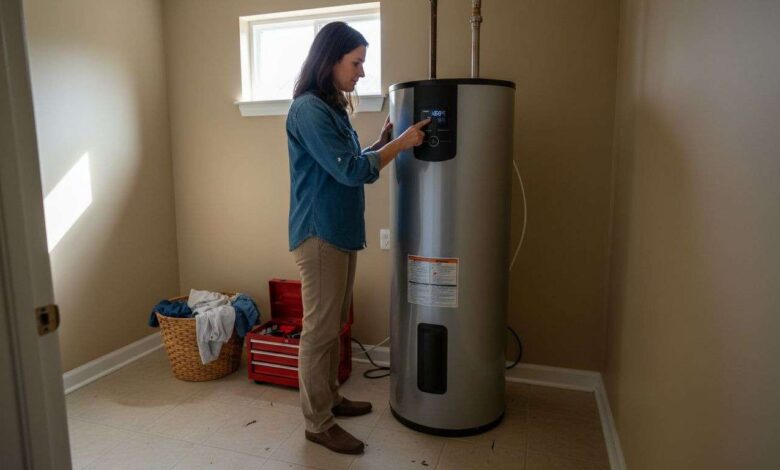
Heating water is a silent comrade of your home’s energy budget, but he is not the smallest one. According to the U.S. Department of Energy, water heating is responsible for about 18% of a household’s utility bills, making it the second-largest charge after space conditioning utilities. If you’re thinking of a home electrification project and you don’t consider your hot water system as a top priority, you will miss out on the most significant savings.
Heat Creation vs. Heat Transfer: The Physics That Change Everything
What most people think of when they think of a water heater is a device that makes heat. A gas burner lights, or an electric resistance element energizes, and that energy turns directly into heat that raises the temperature of the water in the tank. The flaw in that concept is the lack of efficiency. Every conversion step loses energy. A standard gas water heater operates at somewhere around 60-70% thermal efficiency, and although a typical electric resistance unit comes close to 100% conversion efficiency, that 100% means 1 joule of electrical energy produces exactly 1 joule of heat. There’s no multiplier.
Heat pump water heaters function differently. They don’t make heat, they move it. The refrigerant cycle (evaporation, compression, condensation, expansion) extracts thermal energy from the air in the room where the unit sits and moves that energy into the water tank. The electricity runs the compressor and the fan, not a resistive heating element. This is not a minor technical detail. It is the reason the economics of electric hot water heat pumps are so entirely different from everything that came before.
The Full Financial Picture Over the Product’s Lifetime
Comparing the initial costs of hot water systems doesn’t tell the real story. A heat pump water heater costs more to buy and install than a basic electric storage tank or most gas units. No argument. The question is what occurs over the anticipated 10-to-15-year service life of the equipment.
The Levelized Cost of Energy (LCOE) calculation answers this. You account for typical energy use over the equipment’s life and compare this to the purchase and installation costs. Heat pump systems typically reach payback within three to five years. Over the remaining decade of service life, you’re paying a fraction of the energy cost for a resistance or gas system.
Then there are rebates and financial incentives available in many areas, government programs and utility programs that directly lower the capital cost of the upgrade. They differ by region, but in areas that have adopted them broadly, they lower your net expense by real money, sometimes slashing the effective payback to under two years. Know what’s current in your area before making any purchase.
One more factor the sales brochures neglect: electric tariff structure. Many utilities offer time-of-use pricing. If your local grid costs significantly less during non-peak times, a programmable heat pump operating at night can drive the payback even shorter. The savings are credible. The U.S. Department of Energy states a high-efficiency heat pump water heater saves the typical household approximately $330 a year on electric cost compared to a conventional electric storage.
Understanding the Coefficient of Performance in Actual Use
The coefficient of performance (COP) is a way to describe how much heat energy your water heater will produce compared to the amount of electricity it will use. For example, a standard electric resistance water heater has a COP of 1.0 because all the electricity it consumes is turned directly into heat. A modern heat pump water heater will have a COP ranging between 3.0 and 4.5, meaning you get 3-4.5 units of heat delivered for every 1 unit of electricity you pay for, depending on the temperature of the air.
But COP isn’t just a marketing bullet point. It’s a physical certainty. A heat pump doesn’t create heat from nothing, it pulls it out of the air around it.
COP comes with one honest caveat, though. It isn’t a fixed number, it’s a number that changes with the temperature of the air. In warm climates with air temperatures above 20°C (68°F) for most of the year, your well-spec’ed unit is going to return a lot of numbers at the high end of its range. As the mercury drops, the available heat in the air drops, and the COP drops with it. This is the cold-weather performance curve, which isn’t hidden but isn’t exactly advertised front and center by all manufacturers either.
Cold Climates and Hybrid Systems
The most common objection to heat pump water heaters is performance in cold temperatures. It’s a legitimate concern, not a myth, but the technology has advanced sufficiently that it’s not a deal-breaker in most cases.
Modern units using low-ambient refrigerants like R290 (propane) are able to maintain workable COP values down to temperatures that would have seen older designs freezing solid long ago. R290 also brings the benefit of an extremely low Global Warming Potential (GWP) score, which is important if part of your drive for lower-impact appliances is cutting the direct environmental footprint of the equipment itself, rather than just the energy it uses.
Hybrid water heaters, meanwhile, bridge the cold-performance gap from a slightly different angle. This type of system marries the heat pump mechanism to a backup electric resistance element, kicking in automatically to provide your hot water if ambient temperatures fall beneath the level where the heat pump provides efficient operation, or in cases of unexpectedly high demand. You get the efficiency gains in the conditions where they’re realistic, and the virtually guaranteed hot water from your resistance heater when you need it.
If you’re in a genuinely cold climate, and you’re not intending to opt for a hybrid unit, then the right answer is you should probably do the math regarding the kind of temperatures you typically experience before committing.
Space, Ventilation, and Installation Reality
Installing a heat pump water heater is not a simple one-to-one exchange of old tank for new in a confined internal closet. The unit needs clearance surrounding it in order to extract heat from ambient air at a rate that makes it efficient. This need for air volume actually rules out some installation locations: you can’t seal it in a room that’s too small or the unit will rapidly cool that space down, degrading performance as it does.
Check off the right box if the available installation locations in your home include: Sealed room that’s too small? Not an option. Unconditioned garage, basement, or utility room with outdoor access? Perfect. Adjacent to a larger living space in your home? Also good.
Also important: You’ll need a taller ceiling clearance than you would for a standard storage tank, around 15 to 20 centimetres more, along with a tolerance for low-level operating noise somewhere in the ballpark of a window air conditioning unit’s hum.
The line-side electrical can also be more or less work, depending on your energy source. If you’re coming from gas, odds are you’ll need a new dedicated electrical circuit run back to the unit; electric, however, is already good to go so long as the existing circuit can handle the increased load and the wiring is in good shape. Best have an electrician check this out before deciding on a model.
Solar PV Integration and Smart Scheduling
If you have a solar photovoltaic system installed, or you’re considering one, a heat pump water heater changes from a good investment to an outstanding one.
Solar generation peaks in the middle of the day, typically between 10am and 3pm depending on panel orientation and season. For most households, this coincides with the period of lowest home energy demand, everyone’s at work or school. This creates a surplus of solar generation that’s often sold back to the grid at a low feed-in tariff.
Scheduling your heat pump to run during this solar generation window changes that equation. Instead of exporting cheap surplus solar power and buying expensive grid power in the evening to heat water, you’re using the surplus solar directly. The water tank acts as a thermal battery, storing the heat generated during peak solar hours for use through the evening and overnight.
Most modern heat pump water heater controllers support timer programming. Some integrate directly with solar inverter systems to trigger the heating cycle automatically when solar output crosses a set threshold. This is one of the more elegant and underappreciated aspects of the technology, the heat storage capacity of a well-insulated water tank means you’re effectively banking solar energy without any additional battery hardware.
A Practical Transition Checklist
Before committing to a purchase, work through these steps in order:
Audit your electrical panel. Confirm you have the capacity for a dedicated heat pump circuit, or get a quote on what an upgrade would cost.
Measure your installation space. Check available air volume, ceiling height, and proximity to any noise-sensitive rooms.
Check rebates and incentive programs. Government and utility programs can shift the economics significantly, and they change regularly. Verify current eligibility before finalizing your budget.
Choose your refrigerant type. If environmental impact matters to you, look at units running R290 or R744 (CO2) refrigerants over higher-GWP alternatives.
Select a qualified installer. Heat pump installation involves refrigerant handling, electrical work, and often plumbing reconfiguration. An experienced installer who knows the product line reduces the risk of a botched job that degrades performance.
Consider solar integration from the start. If you have panels, set up your timer immediately. If you’re planning to add solar in the next few years, factor that into your payback modelling now.
Getting the Decision Right the First Time
Hot water systems aren’t glamorous, but they’re one of the few home upgrades where the financial returns are predictable, the technology is proven, and the environmental benefit is direct. The heat pump option isn’t for every home in every situation, installation constraints and climate variables are real, but for the majority of households doing this analysis with accurate numbers, the case is straightforward.
Do the space assessment, verify the electrical requirements, and run the lifecycle cost comparison against your actual energy rates. The answer will be clear.