Veneer design has progressed far beyond standard bookmatching. Designers are now playing with the grain of natural wood, constructing geometrical arrangements that turn natural patterns into part of the overall design. They use reverse diamond and radial sunburst veneer patterns to add interest to ordinary veneers by using grain direction, symmetry, and repetition. The aforementioned types of veneer matching prove especially effective in furniture design, wall panels, doors and any other notable surfaces where the placement of the veneer is almost as important as its natural color and pattern.
Moving Beyond Traditional Bookmatching
Bookmatching creates mirrored surfaces by placing neighbouring veneer leaves so that the grain reflects across a central axis. Designers who want to explore this type of symmetry can also look at book-matched veneer feature wall ideas, where matching grain is used as a focal design element. Reverse diamonds, radial compositions, and other layouts take the same attention to grain direction further by turning veneer placement into part of the visual structure.
The layout choice greatly influences the way the surface is perceived. A symmetrical arrangement directs the viewer’s attention to the centre of the image, while directionality imbues the furniture with dramatic width and height.
Understanding Reverse Diamond Matching
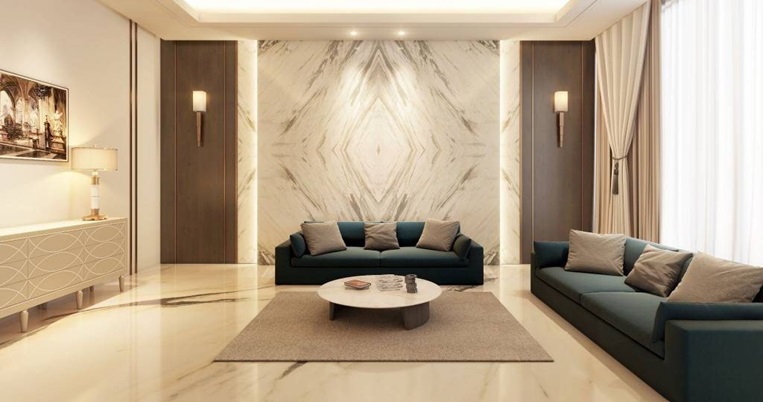
A reverse diamond match involves combining veneer sheets in such a way that the directions of their grain make a diamond-shaped image. A point where the leaves intersect constitutes a strong geometric centre; thus, the natural grain looks almost architectural in its structure. The method is particularly effective when applied to large cabinet fronts, feature doors, wall panels and furniture surfaces where the pattern has enough space to appear perfectly. The quality of the end product relies on the accurate selection and equal placement of the veneer sheets to maintain a continuous flow of grain throughout the entire composition.
Creating a Radial Sunburst Effect
The sunburst arrangement is an extension of the idea of central symmetry in which veneer sheets are set in such a way that the grain of each piece faces the same way from the center and results in a pattern that resembles rays of the sun. These radial veneer matching patterns create a noticeable sense of movement on a flat surface without changing colors or applying extra decorative materials.
The sunburst veneer tabletop represents an illustration of the method that is visually appealing in this case. The central part serves to catch all eyes and gives a sense of balance to the surface, with the grain coming from the middle.
Choosing the Proper Surface
Not every veneer application requires a complicated layout. The decorative matching is most effective when the surface is large enough to present the grain pattern without interruption from too much hardware or joinery. Designers can explore the Royale Touche veneer collection when selecting grain character, colour, and surface style for furniture, doors, wall panels, or statement installations. The wood species and grain should be chosen together with the intended layout rather than separately.
Decorative Veneer Layout Techniques
At times, designers may come up with interesting decorative veneer layout techniques applied in interesting and innovative combinations significantly different from traditional bookmatching. For example, they may try to work with instances of reflections (mirrored), angles, patterns featuring geometric repetitions or shapes,as well as radial layout creating a central point. The purpose is not only to ensure that the veneer surface looks unusual, but also that the design takes full advantage of the natural grain.
When designing geometric veneers, it is important to make sure that slight variations in the angle of grain or panel alignment don’t become noticeable when numerous veneers converge at a given point. Thus, effective planning is crucial for attaining the intended result.
Balancing Grain, Pattern and Interior Style
The best veneer patterns should blend with the rest of the design, creating a comforting and pleasing visual environment, unless the aim is for the veneer pattern to serve as a striking element. One example of this is reverse diamond match veneers, which, in contrast to their popularly known alternative, the sunburst veneer surface, will fit in beautifully with minimal, minimalist present-day designs around it.
Beyond colour and shape, the way the environment and light influence the final look shouldn’t go unmentioned. Natural light will underline and reveal the grain, while artificial light will show the pattern’s geometry. It is the designer’s duty to achieve the least evasive combination of the two.
Conclusion
All in all, when using veneer matching, one has much more options than in the case of merely using bookmatching. Examples of the possibilities range from radial veneer matching patterns to a regular reverse diamond match veneer. The first example will create a great focal point, while the latter one will bring the decoration in accordance with the interior style.