
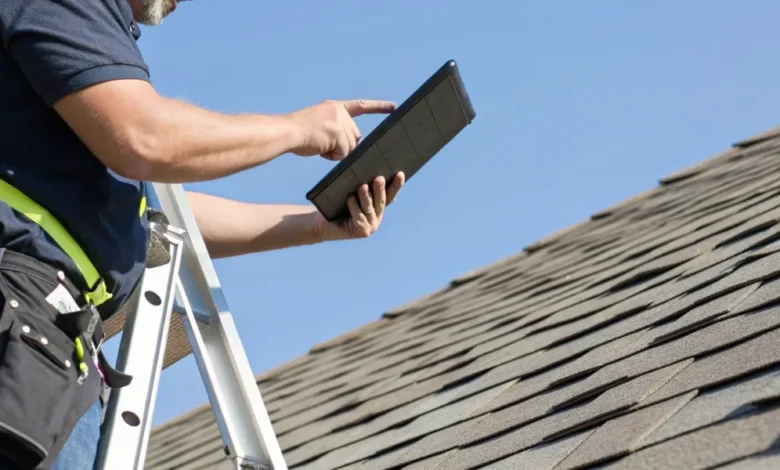
Many homeowners are in the dark about what goes on during a roof inspection beyond someone poking around on their roof for a bit. This lack of detail leaves room for being overcharged, unready, or just unsure when processing the bill. Cover the bases with what a proper evaluation involves, below.
It Starts in the Attic, Not on the Roof
Let’s start the thorough inspection from inside the house. Before the inspector even gets out the ladder, they should be requesting access to your attic.
In the attic, inspectors are checking to see if there is daylight coming through the decking, which would indicate gaps or failing sheathing. They will look over the rafters to see if there are dark water stains, soft spots, or visible mold growth, all signs that moisture may have already been seeping into the attic. They will also be able to evaluate the level of attic ventilation and determine if there is enough airflow between the intake at the soffits and the exhaust at the ridge. If there isn’t enough ventilation, heat and moisture become trapped, which causes the underlayment and roof decking to deteriorate from the bottom up long before any external damage becomes visible.
If the inspector doesn’t check the attic and goes straight outside to check the roof, that is a red flag.
Flashing and Penetrations Are Where Leaks Actually Start
If you’ve had a leak that nobody could find the source of, roof flashing was the likely culprit. It’s the thin metal your contractor installs around chimneys, skylights, and every plumbing vent, and any other point where something protrudes through your roof surface. Those seams are the weakest and wettest points and often where you’ll find a competing contractor cutting corners.
The inspector can tell if your flashing seams are properly sealed, if they may be lifting a bit, or if any of the sealant has dried and cracked. Chimney flashing especially takes a lot of thermal movement stress over the years and tends to fail before the shingles do.
For homeowners who suspect storm damage and are thinking about an insurance claim, finding a company who can document this kind of damage matters. Companies who provide Free roof inspections in Wichita are giving homeowners an honest baseline assessment of their home’s exterior with no obligation to buy anything that day.
What They’re Checking on the Shingles
Once up top, the inspector will actually walk the surface, not just inspect from a ladder or the ground. For your normal residential roof (asphalt shingles), the primary concerns are granule loss, curling, and cracking.
Granule loss? Those granules are there to protect the asphalt layer from UV exposure. Bald patches accelerate aging and decrease the remaining lifespan of the shingle dramatically. Curling? Whether the edges lift upward or the center cups downward, the shingle has dried out and is subject to wind uplift. Cracking? Likely age or thermal stress.
Hail damage is a bit more insidious. Hail bruising, little dark soft indentations in the shingle, doesn’t always present a dramatic appearance from a distance, but it breaks the granule bond and significantly shortens the life of the product. This is one reason professional identification is more helpful than a DIY check from the ground.
Gutters Are Part of the Picture
The gutter system often goes overlooked compared to the shingles, but it’s part of the same drainage system and should be inspected as a whole. Inspectors will determine if gutters serve their purpose by properly sloping toward the downspouts, if they are pulling away from fascia boards, or if they are clogged with debris among other tests.
A red flag should go up in your head for a specific issue: if you find a heavy accumulation of shingle granules in the gutters. If you are scooping out handfuls of granules alongside the leaves and twigs, it should be clear that the shingles are shedding material at an accelerated rate, which tells you something about where the roof is in its lifespan.
The same goes for the soffit and fascia condition. If they are damaged and rotting, water has likely been running behind the gutters. This is a minor issue if caught early and a major structural issue if you choose to ignore it.
What the Final Report Should Include
Upon the inspection wrapping up, you ought to be handed a report in writing, not just an overview of findings and a number. A report that you can trust contains pictures of each identified issue, not just the most alarming imperfections. It will estimate the life expectancy of the current roof, outline necessary repairs versus aesthetically-motivated repairs, and separate immediate priorities from items to keep an eye on.
The National Roofing Contractors Association says you should plan on having your roof professionally inspected as a homeowner at least twice a year, spring and fall are ideal times to take care of minor exterior problems so they don’t turn into interior water damage.
If the report is wishy-washy, there are no photos, or the contractor is eager to get you to sign a contingency agreement before you have the chance to look over anything, you need to pause. A great inspection report should leave you more knowledgeable, not more overwhelmed.
Reading the Report as a Homeowner
The purpose of all this is not to scare you, but to provide you with an accurate assessment of the state of your roof. While some discoveries are urgent, others may require monitoring. A thorough inspection will help you distinguish between the two.
Those who benefit most from this are homeowners who actively participate in the inspection, ask questions, request photos of issues that need to be addressed, and then compare the inspector’s verbal recommendations to the final report. Your roof protects everything you own inside your home. The last thing you want is a leak.

