Owning a swimming pool in New South Wales brings endless summer fun, but it also carries massive responsibility. Keeping children safe around water requires strict attention to the rules set by local councils and state laws. Regular maintenance of your safety barriers prevents tragic accidents and gives you complete peace of mind.
Backyard swimming pools feature heavily in the Australian lifestyle. However, drowning remains a leading cause of accidental death for children under five. Because of this, the NSW government enforces strict safety regulations for all residential pools and spas. Understanding these rules helps you protect your family and friends.
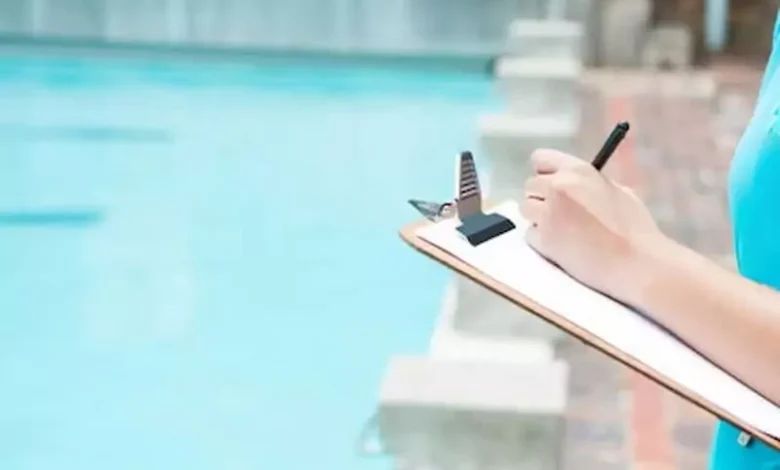
Getting your backyard ready for the warmer months means checking every detail of your enclosure. Local regulations change over time, so staying updated on current compliance requirements is vital. If you need a formal pool inspection Sydney councils and independent certifiers require property owners to hold a valid certificate of compliance before selling or leasing a home. Even if you plan to stay put, doing a self-assessment is a brilliant habit to adopt.
Register Your Pool
Before checking physical barriers, ensure your pool or spa is on the NSW Swimming Pool Register. Registration is mandatory for all property owners across the state. The online process takes only a few minutes and confirms your pool exists on the state database, helping local authorities monitor safety standards.
Check the Fence Height and Gaps
Your pool fence must stand at least 1.2 metres tall from the ground level outside the barrier. The gap under the fence must never exceed 100 millimetres. This stops small children from squeezing underneath the boundary. Check the entire perimeter frequently, as soil erosion, shifting ground, or added garden mulch can alter these measurements over the year.
Clear the Non-Climbable Zone
Kids love to climb. To stop them from scaling the barrier, you must maintain a 900-millimetre non-climbable zone around the entire outside of the fence. Move outdoor furniture, potted plants, toys, and barbecue grills away from this area. Trim back tree branches and thick shrubs that a child could use as a makeshift step.
Test Your Gates Regularly
Pool gates must open outwards, away from the water. They need to close and latch automatically from any open position, without needing a physical push. Test this by opening the gate just a few centimetres and letting go. If it fails to click shut securely, adjust or replace the hinges immediately. Never prop a pool gate open for any reason.
Display a Current CPR Sign
NSW laws mandate that every backyard pool has a cardiopulmonary resuscitation (CPR) sign displayed clearly. You must place it in a highly visible spot within the pool enclosure. Ensure the sign is in excellent condition, legible from a distance of three metres, and meets current Australian Resuscitation Council guidelines. Faded, torn, or cracked signs must be replaced straight away.
Maintaining safety demands ongoing attention. Fences warp, hinges loosen, and garden beds grow higher over time. Take the time every season to walk around your property and check these essential elements. A secure enclosure ensures everyone can enjoy the water safely all summer long.